- Hojai, Assam
- GST NO. : 18BJIPA8949J1ZP
abbaskhan782446@gmail.com - +91-8099151238



| Business Type | Manufacturer, Supplier |
| Cultivation Type | Natural, Organic |
| Color | Green |
| Application | Incense, Perfumes |
| Click to view more | |
Product Details
Feature
Excellent Quality, Natural, Naturally Cultivated
Type
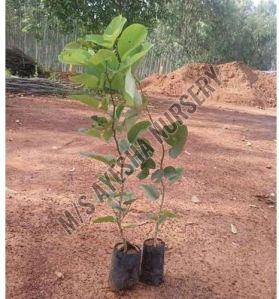
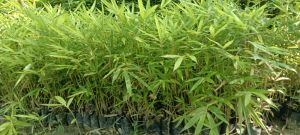
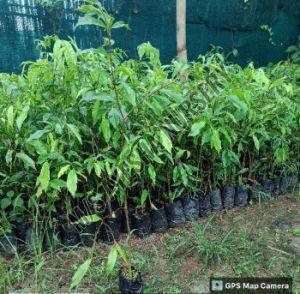
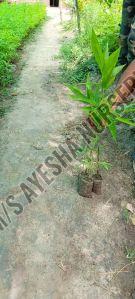
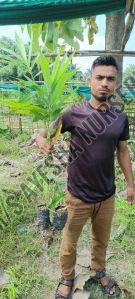
Agar Plant
Shelf Life
5 Years
Age
1-2Yrs
Country of Origin
India
Payment Terms
L/C, D/A, D/P, T/T, Western Union, Other
Aquilaria crassna (commonly known as Indochinese Agarwood or Agarwood) belongs to the Thymelaeaceae family. It is a highly valuable tree native to Southeast Asia, including countries like Vietnam, Cambodia, Thailand, and Laos.
1. Botanical Description
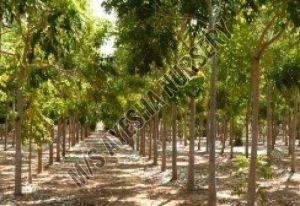
- Tree Structure: It is an evergreen, medium-to-large tree that typically reaches heights of 15 to 25 meters (and up to 30 meters under optimal conditions).
- Trunk & Bark: The trunk is straight, and its bark is smooth, light grayish-white, and highly fibrous, making it easy to peel.
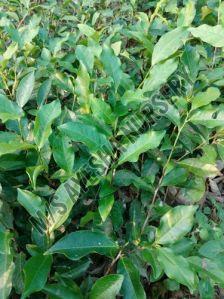
- Leaves: Leaves are alternate, elliptical or lanceolate (spear-shaped), measuring 8–15 cm long and 4–6 cm wide, with a glossy dark green upper surface.
- Flowers & Fruit: It produces small, fragrant, yellowish-green flowers. The fruits are capsule-like (pear/oval-shaped) and split into two halves when mature.
2. Resin & Oud Formation
- Induction Process: The core value of Aquilaria crassna lies in its wood reaction. When the tree gets injured, drilled, or infected by specific fungi (such as Phaeoacremonium parasitica), it produces a dark, aromatic resin as a defense mechanism.
- Agarwood/Oud: Over time, this dense resin saturates the heartwood, transforming the light, soft timber into heavy, dark, highly aromatic Agarwood (Oud Wood).
3. Key Uses
- Perfumery & Incense: The resinous wood and extracted essential oils (Oud Oil) are widely used in luxury perfumes, traditional incense, and cultural or religious rituals.
- Traditional Medicine: Utilized in Ayurvedic, Traditional Chinese, and Thai medicine to relieve pain, digestive issues, respiratory conditions like asthma, and stress.
- Agarwood Tea: The non-resinous leaves are harvested to produce antioxidant-rich herbal tea.
4. Cultivation & Growing Conditions
- Temperature: Thrives best in tropical and subtropical climates with temperatures ranging between 15°C and 32°C.
- Soil: Prefers well-drained, slightly acidic to neutral soil (pH 4.0 – 6.5).
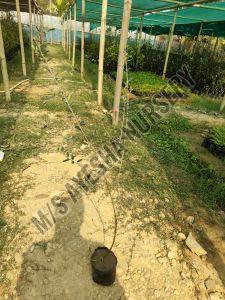
- Sunlight: Requires partial shade (50–60%) during the young seedling stage in nurseries, but needs full sunlight as it matures.
Looking for "Aquilaria Crassna Plant" ?
Plant